
Understanding WPC Decking: What it Is and Benefits
Dec 01,2024

Understanding WPC Decking: What it Is and Benefits
What is WPC Decking?
WPC decking, or Wood Plastic Composite decking, is a modern alternative to traditional wood. It's made from a mix of wood fibers and recycled plastic. This blend creates a durable and low-maintenance material for outdoor use. WPC decking offers the look of wood with added benefits. It's resistant to rot, insects, and weathering. The material is also eco-friendly, using recycled plastics in its production. WPC decking comes in various colors and textures. It can mimic the appearance of different wood types. This versatility makes it a popular choice for many homeowners and builders.

Key Benefits of Choosing Outdoor WPC Decking
Outdoor WPC decking offers several advantages over traditional wood. Here are some key benefits:
- Low maintenance: WPC doesn't need staining, sealing, or painting.
- Durability: It resists fading, staining, scratching, and mold growth.
- Eco-friendly: Made from recycled materials, reducing environmental impact.
- Splinter-free: Safe for barefoot walking and children's play areas.
- Weather-resistant: Performs well in various climates, including high moisture.
- Long-lasting color: Retains its appearance for years with minimal fading.
- Easy installation: Many WPC products feature user-friendly installation systems.
These benefits make WPC decking an attractive option for both residential and commercial use.
The Lifespan of WPC Decking
WPC decking boasts an impressive lifespan compared to traditional wood. On average, it can last 25-30 years with proper care. This longevity is due to its resistance to common wood problems. WPC doesn't rot, warp, or crack like natural wood. It also resists insect damage and fungal decay. The color stability of WPC means it maintains its look for years. This reduces the need for frequent replacements or repairs. While the initial cost may be higher, the long lifespan often makes it more cost-effective over time. Regular cleaning is usually enough to keep WPC decking in good condition for decades.
Comparing WPC Decking to Traditional Wood Decking
Durability and Maintenance: WPC vs. Traditional Wood
WPC decking outperforms traditional wood in durability and maintenance needs. Unlike wood, WPC resists moisture damage, preventing rot and warping. It doesn't splinter or crack, making it safer for bare feet. WPC also resists fading from UV exposure, maintaining its color longer. Maintenance for WPC is simple, usually requiring only occasional cleaning with soap and water. In contrast, wood decks need regular staining, sealing, and sometimes replacement of damaged boards. Wood is also more susceptible to insect damage and can develop mold or mildew. While wood has a natural charm, it demands more time and effort to maintain its appearance and structural integrity over the years.

Cost Analysis: WPC Decking vs. Traditional Wood Options
Initially, WPC decking costs more than most traditional wood options. The price can be 50-100% higher than pressure-treated lumber. However, the long-term costs favor WPC. Here's a breakdown:
- Initial cost: WPC is higher, but prices vary based on quality and brand.
- Maintenance costs: WPC requires minimal ongoing expenses.
- Lifespan: WPC lasts longer, reducing replacement frequency.
- Labor costs: WPC installation may be quicker, potentially lowering labor expenses.
- Property value: WPC can increase home value due to its durability and appearance.
Over time, the reduced maintenance and longer lifespan of WPC often offset the higher initial investment. This makes it a cost-effective choice for many homeowners.
Aesthetics: Customization and Design Flexibility
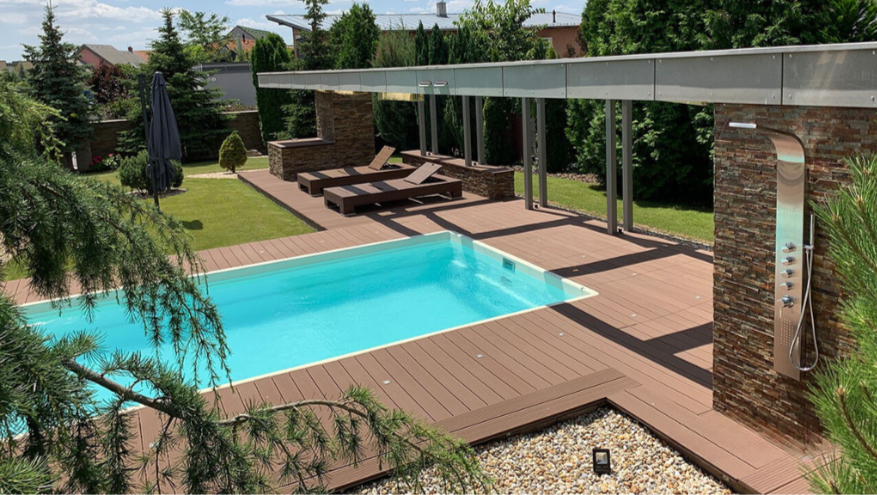
WPC decking offers extensive design options, rivaling traditional wood in aesthetics. It comes in a wide range of colors, from natural wood tones to bold hues. Textures can mimic various wood grains or offer unique patterns. WPC allows for creative designs without the limitations of wood. It can be bent for curved sections or cut into intricate shapes. Many WPC products offer reversible boards with different textures on each side. This flexibility lets homeowners customize their deck's look easily. While some prefer the authentic look of wood, WPC's design options continue to improve. Modern WPC can closely resemble high-end hardwoods without the maintenance challenges.
Making the Decision: Factors to Consider
The Importance of Material Quality in Outdoor Decking
The quality of decking material greatly impacts its performance and longevity. For WPC decking, higher quality means better durability and appearance. Look for products with:
- Higher wood fiber content for a more natural look and feel.
- UV-resistant additives to prevent fading.
- Anti-slip textures for safety in wet conditions.
- Certifications for environmental standards and safety.
- Warranties that reflect the manufacturer's confidence in the product.
For traditional wood, quality depends on the type of wood and its treatment. Consider:
- Hardness and natural resistance to decay.
- proper treatment for outdoor use.
- Sourcing from sustainable forests.
Investing in quality materials, regardless of the type, ensures a better long-term outcome for your deck.
Project-Specific Considerations: Residential vs. Commercial Use
Choosing between WPC and traditional wood depends on the project's nature. For residential use, factors include:
- Personal aesthetic preferences
- Long-term maintenance willingness
- Local climate conditions
- Budget constraints
- Potential impact on property value
For commercial applications, consider:
- High foot traffic durability
- Safety regulations compliance
- Ease of cleaning and maintenance
- Brand image and aesthetic consistency
- Long-term cost-effectiveness
WPC often suits commercial settings due to its durability and low maintenance. However, some residential projects may prefer wood for its natural appeal. Assess your specific needs and priorities when making the choice.
Future Trends in Outdoor Decking Materials
The outdoor decking industry continues to evolve, with several trends emerging:
- Increased focus on eco-friendly materials and production processes.
- Development of hybrid materials combining the best of WPC and traditional wood.
- Enhanced UV resistance in WPC for better color retention.
- Smart decking with integrated lighting or heating elements.
- Improved recycling processes for end-of-life WPC products.
WPC technology is advancing, offering better performance and more natural looks. Traditional wood treatments are also improving, enhancing durability and reducing maintenance needs. As sustainability becomes more critical, both WPC and responsibly sourced wood will likely see innovations. Homeowners and builders should stay informed about these developments when planning future projects.
Are you looking for a reliable environmentally friendly composite flooring manufacturer?
We can quickly provide customers with market analysis, technical support and customized services.
Are you interested in our product?
Our professional sales team is waiting for your consultation.
WhatsApp:
E-mail:


Get A Quote
*Note: Please enter the product, color, and quantity you'd like to inquire about.
